Be kind. Encourage compassion. Inspire creativity. Nurture courage. Grow your mind.
Shopping for the perfect toddler gift? There’s a world of options out there, but we’ve rounded up a few of our favorite gifts for toddlers that mingle a little learning with a whole lot of fun. After all, Guion The Lion is all about creating a path for kids to cultivate curiosity, develop compassion, choose kindness and nurture courage.
Whether you're looking for a toddler birthday gift or holiday gift, there's sure to be something on this list to delight the little ones in your life.
The right toys can cultivate curiosity in children as they explore, play and learn!
The best creative toys for toddlers give them a way to freely express themselves with minimal rules and guidelines.
Get your kids singing, dancing, making music, and learning with these toddler toys that promote musical learning.
Get your toddlers moving (and burning energy) with these toys that encourage movement and physical activity.
A children’s book is always a great gift for a toddler, but why not go a step further and give gifts that inspire a lifelong love of reading?
Guion The Lion is all about presenting messages of compassion, curiosity and adventure before children begin making their own judgments and assumptions. Through the children’s book, parenting/teaching resources, fun activities and more, kids can learn how appreciating differences, practicing inclusion and embracing new ideas leads to unimaginable fun.
Follow Guion The Lion on Facebook and Instagram and subscribe to the Guion The Lion newsletter for more tips and activities for raising kind, compassionate children.
By: Rebecca Wilson Macsovits, Author of Guion The Lion
We all want our kids to be and feel included, right? Whether purposefully or unintentionally excluded, being unseen, uninvited and unnoticed, and worst of all, judged, is not fun for any child.
Inclusion became especially important to me in raising my oldest son, Guion, who happens to have Down syndrome. Because of the many misconceptions that often surround Down syndrome, kids often look at Guion differently. And sadly sometimes, Guion is even referenced with the cruel R-word. These quick judgements are not only hurtful, but often lead to Guion being excluded.
Acceptance is a strong need of all kids (and adults). We thrive and flourish through connection and relationship with others, while isolation and exclusion can negatively impact everything from emotional well-being to academic success. For some kids, making friends and including others comes naturally. But for others, it’s not so easy.
It’s hurtful to see kids being left out, but it’s just as saddening to see kids doing the excluding. How can we teach kids to be inclusive of others? Here are a few tips and ideas.
Time to look in the mirror. Kids are always watching and listening, and they learn best from observing the role models around them. Are you modeling inclusivity? Examine your own behaviors and language to ensure that you’re promoting inclusion in your day-to-day life.
Empowerment is all about celebrating kids for who they are and can become. Be their biggest cheerleaders, facilitate their interests and goals, push them out of their comfort zone, and most of all, be their safe place to land. Kids who are comfortable and confident in their own skin are more likely to be understanding and empathetic toward others–celebrate each other’s differences rather than make fun of them.
While judging is unfortunately a natural instinct, kids are also born with unbridled curiosity. It’s our job to foster, encourage and inspire this natural-born curiosity by demonstrating curiosity, answering their questions thoroughly, asking them open-ended questions, exploring new places, and allowing them to learn through trial and error. Being curious about others leads to better understanding of their lives, experiences and perspectives – even if they are different from our own.
As mentioned in the above point, kids are naturally curious about the world around them. They are bound to ask questions when they encounter someone who is or appears to be different from them–be prepared! It’s okay that they notice when a peer looks, talks or walks differently than they do, BUT be ready to explain that their difference does not make them “weird” or any less deserving of kindness and respect.
Take field trips! Whether it’s a new park, museum, area of town or an entirely new city, take your kids to new places that remove them from their comfort zone. Unfamiliar places nurture their curiosity while exposing them to diverse people and places, which gives you plenty of opportunities to talk about diversity with them.
Encouraging inclusive play can be as simple as encouraging your kids to invite new friends to a playdate, making sure all children are included in games at the playground, and playing games kids of all abilities can enjoy. While your kids play, point out how they’re being inclusive and kind, for example, “That was kind of you to include Katie on your team.” Visit our Let’s Play page for inclusive game and activity ideas!
Children’s books are powerful tools for teaching inclusivity. Many books, including Guion The Lion, feature storylines that promote diversity and celebrate differences, which gives you another opportunity to start a conversation about diversity or answer your child’s questions. Check out our round up of children’s books that celebrate differences and promote inclusion here.
Guion The Lion is all about presenting messages of compassion, curiosity and adventure before children begin making their own judgments and assumptions. Through the children’s book, parenting/teaching resources, fun activities and more, kids can learn how appreciating differences, practicing inclusion and embracing new ideas leads to unimaginable fun.
Follow Guion The Lion on Facebook and Instagram and subscribe to the Guion The Lion newsletter for more tips and activities for raising kind, compassionate children.
October is Down Syndrome Awareness Month! Reading children’s books by authors with Down syndrome, inspired by people with Down syndrome or written by Down syndrome advocates is a great way to not only celebrate Down Syndrome Awareness month, but also spark a conversation about diversity with your kids.
Written by Tim Harris, author, motivational speaker and disability advocate, The Book of Hugs shares simple steps to follow to make sure you’re giving the very best hug you can give. Inspired by Tim Harris's love for giving big bear hugs and his restaurant that offered up hugs on the menu, this charming book gives readers so many reasons to give someone a big hug!
Written by Michelle, Sullivan, Eli, Included is about a boy named Eli who has Down syndrome. This children’s book is perfect for any classroom, whether there is a child with Down syndrome in the class or not. The theme of this book is to help the next generation see that everyone has value and something to offer.
Written by Megan Bomgaarss, Born to Sparkle shares the inspiring message behind Megan’s viral video, “Don’t Limit Me,” and encourages readers to follow whatever dreams they may have in order to find the sparkle inside of them.
Written by Heather Avis, Different–A Great Thing to Be!, is a joyful rhyming book that encourages children to value the “different” in all people with hopes of leading the way to a kinder world in which the differences in all of us are celebrated and embraced.
Written by Margaret O'Hairs and inspired by Down syndrome advocate, Sofia Sanchez,
You Are Enough is a beautiful and inclusive picture book all about celebrating being yourself.
Written by Rebecca Wilson Macsovits and inspired by her son who has Down syndrome, Guion The Lion is about an imaginative little lion who sees things differently from his friends.
Using colorful illustrations and charming animal characters, the story shows that new perspectives can open the door to unexpected fun. Rebecca’s hope is that the story encourages children, and parents alike, to embrace others’ differences and perspectives.
Join Guion The Lion and our friends in celebrating the differences that make our world a beautiful and colorful place this month and all year long. Follow along on Facebook and Instagram!
Halloween is the perfect time to make social emotional learning fun for kids. Bring the spirit of the season to your home or classroom this fall with these spooktacular Halloween activities.
Either print out outlines of pumpkins or use real pumpkins to serve as canvases for the kids participating. Each child gets two pumpkins to draw on. Ask the kids to draw two different feelings on the faces of the pumpkins.Once they're done drawing, ask your kids what emotions each of their feelings faces represent. Ask them to come up with words that describe each emotion represented.
Collect Halloween or fall-related objects. Put them all in a trick-or-treating bag or basket. Have kids take turns reaching into the bag to find an object. Can they guess what it is only by touch?
One person begins the ghost story by saying a few lines. The next person adds on to the story by saying “yes, and,” then taking the plot wherever they want. Each person in the group takes at least one turn. The story is finished when the group says it is. If your group is large, you may want to set a time limit for each player.
Reading children’s books aloud is always a great way to promote social emotional learning. Make storytime more festive with this round up of Hallooween books.
We hope you enjoy these festive games and activities in your homes and classrooms this year. Happy Halloween!
Follow Guion The Lion on Facebook and Instagram and subscribe to the Guion The Lion newsletter for more social emotional learning tips and activities.
By: Kate T. Parker, professional photographer and author of Strong is the New Pretty
When my daughters were younger, I started taking photos of them, as most moms do. However, rather than just shooting their pretty, picture-perfect moments, my hope was to truly capture the essence of who they are–kinda messy, sometimes upset, other times screaming with joy, and ultimately, full of emotion and life. I wanted to celebrate the real-life strengths, imperfections, emotions and individuality of my daughters and their friends because they are beautiful just the way they are.
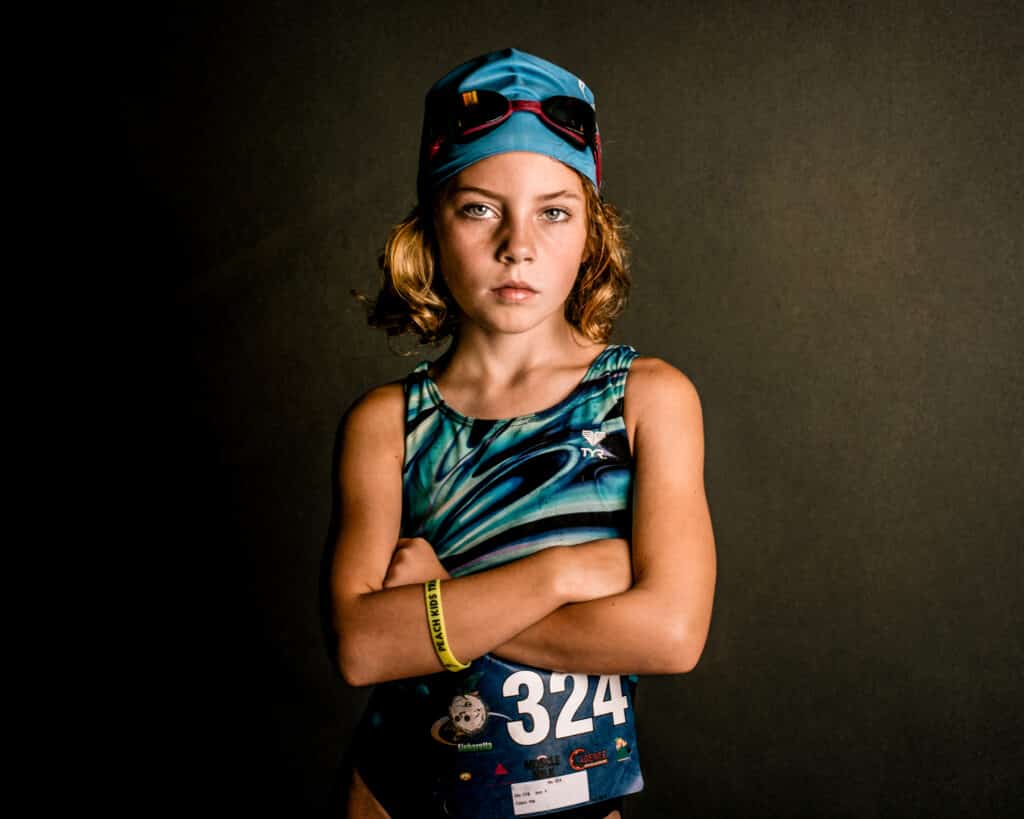
And this is how Strong is the New Pretty was born. A series of photos I posted of one of my daughters went viral, and since then, I have had the opportunity to continue celebrating all kinds of girls and boys for being themselves through several other books and photography projects.
If you can celebrate and believe in who you are as a kid (and as an adult), that’s empowerment. Empowering our kids starts with celebrating them for who they truly are and can become. It’s helping them discover their confidence and passions–where they can succeed and the things that make them unique. It's only natural for kids to want to hide or soften these qualities in order to “fit in,” but I think it’s so important for kids to embrace their individuality. Because, oftentimes, it’s the things that make us “weird” or “different” that become our greatest asset.
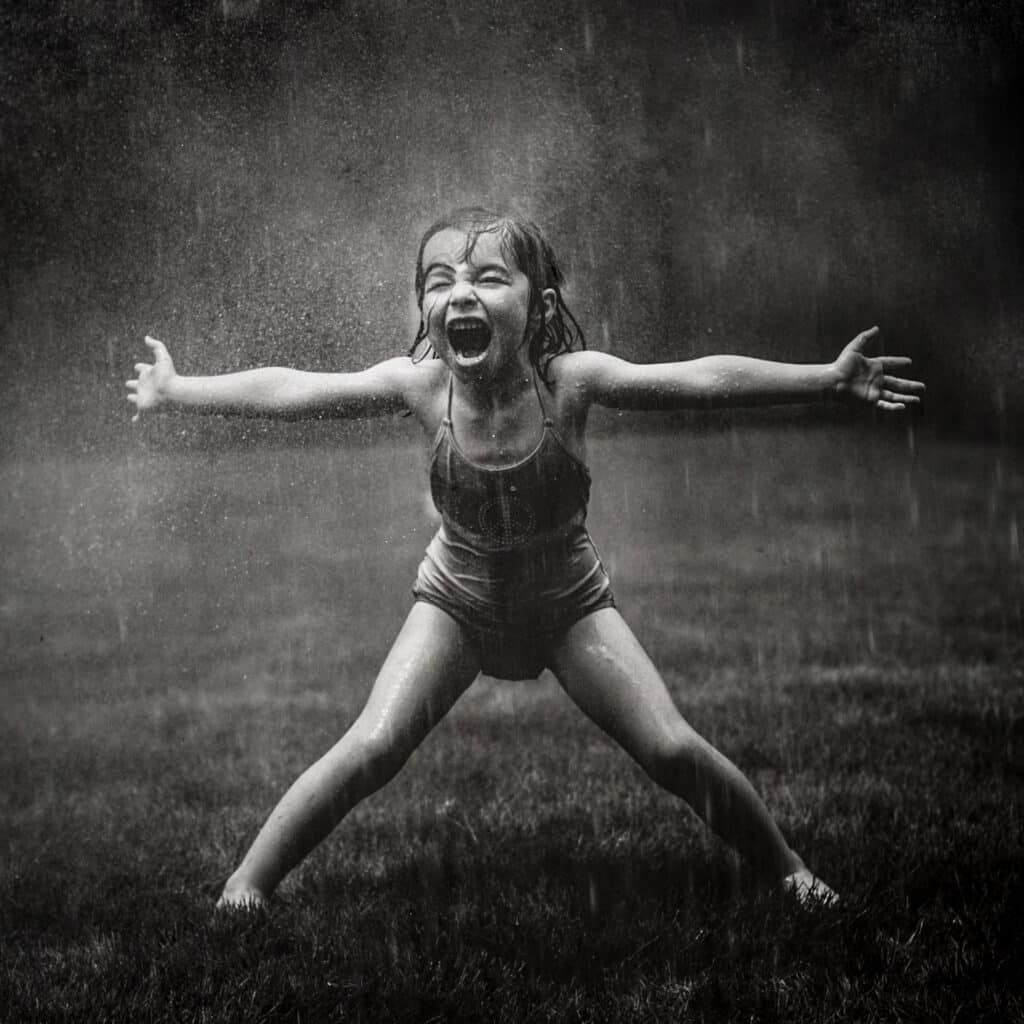
I believe that kids who are raised to embrace and celebrate their own differences are more likely to embrace and celebrate the differences of others. After all, it’s often kids’, teenagers’, and even adults’ insecurities about themselves that trigger hurtful comments and cruel behavior. Sadly, we’re often mean to others to just feel better about ourselves. Confident, empowered kids are kinder because they don’t need to put others down to feel good about themselves.
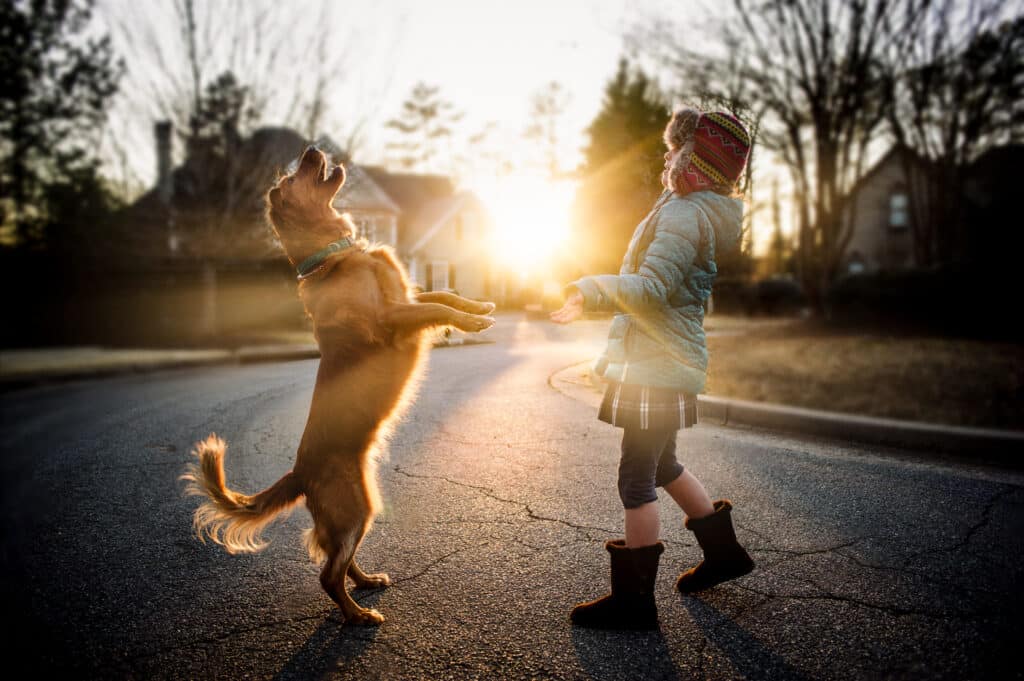
Empowered kids are not only kind, but can also use their voice to make a difference. I love stories of individuals realizing that something isn’t right and changing it because they feel empowered to do so. My most recent project, “When We Roar: A Celebration of Girls and Women Raising Their Voices,” captures the moments when girls and women discover their voice and use it to make a change in their world and the world.
For example, I had the opportunity to photograph a girl named Elizabeth, a 24-year old who just graduated Rollins College as the valedictorian. Elizabeth happens to have Autism and is nonverbal. She gave her valedictorian speech using a computer-assisted device. Another young woman I had the privilege of photographing for this book is named Sevy. Sevy is a ridiculously-talented artist and happens to have Down syndrome. Because she is also nonverbal her voice comes through art. How impressive! Empowered women who are sharing their voices deserve to be celebrated.
So, as parents, grandparents, teachers and loved ones, how do we raise empowered kids? Kids who are comfortable and confident in their own skin. Kids who are understanding and empathetic toward others. Kids who celebrate each other’s differences rather than make fun of them. Kids who are strong from within. Kids who aren’t afraid to raise their voice for change. Here are a few ways we learned to empower our daughters, Ella, who is 17, and Alice, who is 14.
Guion The Lion friend, Kate T. Parker is a mother, wife, Ironman, and professional photographer who shoots both personal projects and commercial work for her clients. Kate’s Strong Is the New Pretty photo series has led to collaborations with brands like Athleta, Kellogg's, and Oxygen. The project has also inspired Kate to launch a philanthropic arm of Strong Is the New Pretty, partnering with organizations like Girls on the Run and The Bully Project that invests in girls' health and education. In addition to Strong is the New Pretty, Kate has authored The Heart of a Boy and Play Like a Girl.
Children’s books, like Guion The Lion, are great tools for teaching kids about kindness, compassion and empathy. Through the children’s book, parenting/teaching resources, fun activities and more, kids can learn how appreciating differences, practicing kindness and embracing new ideas leads to unimaginable fun. Follow Guion The Lion on Facebook and Instagram and subscribe to the Guion The Lion newsletter for more tips and activities for raising empowered, kind children.
By: Simón Price, Kindergarten Teacher at Cherry Hills Village Elementary
According to the Dalai Lama, being kind and generous not only cultivates happiness in ourselves, but also benefits those around us. My parents often reminded my sister and me of the Golden Rule: “Treat others how you would like to be treated.” Children need to learn how to treat others as they would also like to be treated with care and compassion. Understanding this as a child will give them a solid life foundation.
Children learn to be kind through examples from the world around them–both positive and negative. It is essential to point out examples as they appear and discuss how kindness was being shown, or not shown.
For instance, on the playground or at the park, pointing out a child who helped another child up after falling from the monkey bars. Ask your child, “how do you think the child who showed kindness felt?” This type of conversation is essential as it helps kids form an idea of how kindness feels when given or received.
From preschool to Instructional Learning Centers (ILC) in elementary school to full inclusion in middle school, my 25 years of teaching experience spans a variety of settings. Regardless of the specific setting, I feel that my job as an educator is to act as a role model and support students with opportunities to become kinder children. Some children come to school with established role models, while others need more support from their teachers at school.
As educators and parents, we want our children to live happy, healthy, and meaningful lives, so we must provide tools and opportunities to practice kindness. Here are a few of my go-to ways to teach kindness to kids:
See? Raising kind kids doesn’t have to be a challenge, but it does take intentionality. Follow Guion The Lion on Facebook and Instagram and subscribe to the Guion The Lion newsletter for more tips and activities for raising kind, compassionate children.
Guion The Lion is all about presenting messages of kindness, curiosity and adventure before children begin making their own judgments and assumptions. Through the children’s book, parenting/teaching resources, fun activities and more, kids can learn how appreciating differences, practicing kindness and embracing new ideas leads to unimaginable fun.
By: Rebecca Macsovits, Author of Guion The Lion
Kids can be cruel. It’s the reason I wrote Guion The Lion in the first place. Not to help those who are older and have been nurtured (most are inherently good) into that space, but to help keep those younger, naive-in-the-most-precious-of-ways minds open just a little bit longer. This way, when society gets a hold of them–maybe, just maybe–they’ll be strong enough to say “no” to being harsh and judgmental of those who are different from them.
My son, Guion, is almost sixteen and he also happens to have Down syndrome. In his almost sixteen years, I, thankfully, have never heard anyone reference him specifically with the “R” word. But I know it happens, and unfortunately, have proof as a friend shared a real example with me recently.
Let me set the stage. It is a hot, sunny day in Denver. Guion and a few friends go to a dog park to walk a friend’s dog and enjoy being outdoors. There is a playground near the dog park that is a magnet for all kids really no matter the age. After some time, Guion and another each grab a swing. A group of three teenage boys about Guion’s age are standing off to the side. One of the boys—let’s call him, Richard, says, “Retard alert.” His friend actually says “Shut-up! You can’t say that. That’s mean!” But Richard brushed him off with a cruel laugh as if to say, “Who cares.”
Our friend, Abbey overheard the conversation and was irate. While she was proud of the boy who defended Guion in his absence, she was in disbelief at Richard’s insensitivity and felt compelled to say something. After everyone was done playing, Abbey sent her flock of kids off to the car and walked in the opposite direction to address the three boys, specifically, Richard. She respectfully dressed the boy down, as the saying goes, by acknowledging exactly what he said and asking why he thinks he can just throw insults at others. Richard didn’t back-talk and just crossed his arms and smugly looked at Abbey as she talked.
My heart broke when I learned what happened at the playground. For Guion, for Abbey, and even for Richard. Guion is one of the most kind and caring persons in my life, a role model for those near him in how to treat others. He gives his love freely to those who are kind in return, and almost as important, he is quick to forgive and forget. Sadly, Richard will never have the opportunity to experience that kind of love and forgiveness from Guion.
While this is a true story, Richard’s behavior illustrates just how cruel, close-minded and quick-to-judge kids (and adults) can be. It saddens me that the “Richards” of this world may never understand the beauty of our differences. I don’t know how I would have handled that moment personally. I am grateful for Abbey’s passion for Guion as a person and for her willingness to stand up for him. As a parent, it’s important to know there are people who have Guion’s back in this world because we won’t always be there to protect him.
This situation reminded me why I wrote Guion The Lion–to promote a message of kindness and acceptance. I’m not sharing this story to vent, but to alert parents, teachers and grandparents of the cruelty that can be groomed into our kids if we’re not careful. All kids need to feel loved, seen and accepted as they are. Hopefully, through this story and other efforts we can shape more little ones to grow into open-minded and protective adults.
About Guion The Lion
Guion the Lion is all about presenting messages of compassion, curiosity and adventure before children begin making their own judgments and assumptions. Through the children’s book, parenting/teaching resources, fun activities and more, kids can learn how appreciating differences and embracing new ideas leads to unimaginable fun.
Help us share the message of Guion The Lion by sharing the book with others, supporting the brand on Facebook and Instagram and subscribing to the Guion The Lion newsletter for the inside scoop.
By: Melissa Loy
Inclusion in education is the belief system that every child with disabilities has the right to an education alongside their peers with typical development. All students should have equal opportunities in education! Inclusion promotes not only accepting and understanding each other’s differences, but also valuing each other.
My county school system believes that children with special needs alongside children with typical development, meaning students who have typical language, behavior, academic, and motor development, are best encouraged to grow in the same learning environment. The students with typical development, called peers, model classroom routines, activities, and social and emotional behaviors.
I believe all students benefit from an inclusive learning environment. Each student gains social emotional skills, including friendship skills, problem-solving skills, empathy, and kindness. While the students with disabilities are learning from their peers by imitating their peers’ skills and behaviors, I feel the peers gain just as much, if not more, from the experience. For instance, the peers may learn that differences aren’t so scary, and gain a compassionate perspective that will serve them well for years to come.
In our classroom, we promote inclusion by teaching the students to be “Super Friends.” As a “Super Friend,” students are kind, helpful, and share with each other. This also includes understanding differences with their friends.
We teach the peers about different ways our friends may walk, which may include wheelchairs, walkers, or braces as well as different ways they may communicate, including sign language, gestures, pictures, or talking devices. “Super Friends” play with other friends that may look, walk, or talk differently than they do. Everyone deserves to be in a respectful and accepting classroom setting!
In our early childhood classroom of 3-5 year olds, some students may be exposed to someone different from them for the first time in their life. The students may ask lots of questions because they are typically curious about different devices, fidgets, or wheelchairs their classmates may be using. And this is okay–curiosity is a good trait! When kids are curious, they learn about each other rather than judging each other.
As the students with disabilities are learning from modeled behaviors and skills, peers are gaining leadership skills, empathy for others, and acceptance. As my friend and the author of Guion The Lion Rebecca Macsovits says, “Similarities may bring us together, but it’s our differences that make this world a beautiful and colorful place.” Through an inclusive learning environment like this, all students are learning to embrace their differences while building self- confidence and friendships.
Guion the Lion is all about presenting messages of compassion, curiosity and adventure before children begin making their own judgments and assumptions. Through the children’s book, parenting/teaching resources, fun activities and more, kids can learn how appreciating differences and embracing new ideas leads to unimaginable fun.
Join the adventure by following Guion the Lion on Facebook and Instagram and subscribing to the Guion The Lion newsletter for the inside scoop.
By: Janelle Pejsa
Do your students or children struggle with anxiety? Don’t worry, you’re not alone. According to the CDC, 9.4 percent of children aged 3-17 were diagnosed with anxiety in 2016-2019 alone, and that percentage is only rising.
With 22 years of experience in elementary education, I have taught several fourth and fifth grade students who have dealt with some form of anxiety. In the last 5 years, I have witnessed both the level of anxiety change dramatically as well as the way anxiety presents itself in kids.
Feeling afraid, worried and anxious occasionally can be a natural and healthy response to the unknown or a possible danger. But, sometimes these feelings of anxiety become so intense that they negatively impact a child’s academics, peer relationships and emotional wellbeing. To prevent anxiety from negatively impacting our students’ and kids’ lives, it’s important to learn common causes and signs of anxiety as well as ways to help kids manage their anxiety.
Anxiety is often triggered by what’s happening in a child’s environment. Stressful situations like parents fighting, frequent moving, siblings arguing, the death of a family member or pet, problems with friends, getting bad grades on a test, not making a sports team or failing to live up to their parents expectations are common causes of anxiety. Kids may also become anxious if they don’t know where the next meal is coming from, are living with grandparents or have a family member who is ill.
In my experience, anxiety appears differently in different kids, so it’s important to be aware of their behavior. Anxiety can look like a shy student who is biting their nails, tapping their pencil or constantly asking questions. Similarly, anxiety can appear as frequent trips to the bathroom, constant “stomach aches,” or repeated actions, like organizing their desk, cleaning it off with a wipe, or pacing the classroom. Anxiety can also look like students watching the same episodes of a TV show or reading the same books over and over because they want to know what is going to happen next. Even subtle actions like a student covering their work when you walk by can also indicate they are anxious 'because' their work may be incorrect.
The good news is that if your child or student is having problems with anxiety, there's plenty you can do to help them manage their anxiety. None of us like to see a child struggle with anxiety, but the best way to help kids overcome anxiety isn’t to remove the stressors, but to help them learn to manage their anxiety and function as well as they can–even when they’re anxious. Here are 4 strategies I like to use:
Guion the Lion is all about presenting messages of empathy, curiosity and adventure before children begin making their own judgments and assumptions. Through the children’s book, parenting/teaching resources, fun activities and more, kids can learn how appreciating differences and embracing new ideas leads to unimaginable fun.
Join the adventure by following Guion the Lion on Facebook and Instagram and subscribing to the Guion The Lion newsletter for an inside scoop.
By: Simón Price, Kindergarten Teacher at Cherry Hills Village Elementary
Confidence is what makes us strive to be the best version of ourselves. Confidence is about knowing you have made it through some struggles and have made it to the other side stronger. Confidence fuels our self-esteem. When kids feel confident and possess a healthy self-esteem, they're more likely to try new things, succeed in school, take on challenges, and even face failure. All in all, confidence is critical.
Are you struggling to encourage confidence in your kids? Are their insecurities holding them back? As an educator in both general and special education settings, instilling confidence and internal motivation while building children’s self-esteem is a common goal.
What constantly amazes me with children is that they have an innate confidence and self-esteem when they are born, but the world around them changes this both positively and negatively.
Children typically learn confidence through trial and error, observation, and small successes. In the school setting, there are many opportunities for trial and error. These opportunities remind children that we are not all the same and that our successes may come at different times and in different ways. Kids may need a little help when they are younger to find other ways to solve a problem. For instance, providing them with two to three options, rather than disclosing the answer when they get frustrated, will help build their confidence as they seek a solution.
Children‘s confidence grows until it is hindered by adults or peers. Kids will continue to persevere until others change their perceptions about what they feel strongly about. Many of my experiences as an educator have been with children with special needs. For example, if a child is learning to hit a ball with a bat, an adult should give them another way to try that might be more successful rather than telling them they are doing it all wrong. By providing choices, the child can feel empowered and more willing to take risks.
Most children with special needs have not heard that they cannot do a task. While the task might be challenging and take a while to get there, their confidence is often unwavering and a fantastic example for their typically developing peers.
There are many little things that we can do daily to continue to raise confident children, such as:
My Uncle Genie inspired my journey into education. He simply exudes positivity and a special passion for life. He strived to do much more than his body and mind often allowed. Genie was born with severe Cerebral Palsy and cognitive limitations, but he had the confidence and positivity of a person half his age. For 22 years, I was an educator of children with varying exceptionalities in various settings–from small group instruction to full inclusion. Feeling the need for a change, I began teaching kindergarten three years ago. I think both opportunities have made me a stronger teacher and a better advocate for encouraging confidence in all of my students.
Guion the Lion is all about presenting messages of empathy, curiosity and adventure before children begin making their own judgments and assumptions. Through the children’s book, parenting/teaching resources, fun activities and more, kids can learn how appreciating differences and embracing new ideas leads to unimaginable fun.
Join the adventure by following Guion the Lion on Facebook and Instagram, and subscribing to the Guion The Lion newsletter.
