
Be kind. Encourage compassion. Inspire creativity. Nurture courage. Grow your mind.
We all want our kids to excel and thrive as they grow up, right? We hope they develop healthy relationships, discover their purposes, find happiness, and become life-long learners.
At Curious B.E.I.N.G.s, we believe curiosity is the key. Though “curiosity killed the cat,” curiosity fuels the super learner in all of us. From bookworms to wide-eyed explorers and budding scientists, curious children are like sponges soaking up the sea of knowledge. But what makes them so special? Here are 8 reasons curious kids make great learners:
Curious kids approach learning like an epic adventure. They're like treasure hunters on a never-ending quest for knowledge, always ready to set sail to the uncharted waters of learning. This sense of exploration turns every lesson into a thrilling journey, and they become passionate and excited about the process itself. Curious kids aren't just aiming for good grades–they're forging a lifelong love affair with learning—a critical life skill.
If you've ever spent time with a curious kid, you know they have an insatiable appetite for questions. "Why is the sky blue?" "How do birds fly?" "What's the moon made of?" These inquisitive minds never stop probing and seeking answers. Their questions are like breadcrumbs leading them to the most profound understanding.
Curiosity is the breeding ground for creativity. When kids ask, "What if?" or "Why not?" they're not only seeking answers but also unlocking their imaginations. The more they explore and experiment, the more their creative juices flow. Every crayon, LEGO, and finger-painting session becomes a canvas for innovation.
One of the most remarkable things about curious kids is their natural ability to problem-solve and adapt. They tackle challenges head-on, undeterred by the possibility of making mistakes and eager to find solutions. This resilience and determination will serve them well in every aspect of life as they learn to solve problems rather than accept the situation as it is.
Curiosity does not only expand a child's intellectual horizons, but also their emotional intelligence. By asking questions about the world, kids learn to understand and appreciate the diversity and complexity of people and cultures. This understanding can lead to greater empathy and a kinder, more inclusive world.
When children engage in learning driven by their curiosity, they develop confidence. They learn that they can find answers, overcome obstacles, and take charge of their own learning journey. This newfound self-assuredness will help them tackle challenges with resilience and optimism.
In a world that's ever-evolving, curious kids have a distinct advantage–they're adaptable, creative, and filled with the knowledge and skills they've gathered throughout their learning adventures. These qualities will serve them well, ensuring a bright future ahead! As parents, educators, and mentors, let's nurture and encourage their curiosity because they are the ones who will shape the world with their relentless love for learning and discovery.
Curious B.E.I.N.G.s are who we aspire to be, and we want to take you and your kids along for the adventure of leading a kind and caring life. As Curious B.E.I.N.G.s, we believe it’s important to…
Will you join us? Explore our website, follow Curious B.E.I.N.G.s on Facebook and Instagram and subscribe to the Curious B.E.I.N.G.s newsletter to receive engaging, educational resources that will inspire the next generation of Curious B.E.I.N.G.s.
Are you tired of those well-behaved, kind, and empathetic children? Me, neither. I’m always grateful to these kids and make it a point to acknowledge them on their manners, respect and kindness. But let’s face it, this isn’t always the norm.
We’ve certainly experienced unkindness and honestly we’ve seen our own kids dabble in it, too. So, we work hard to teach our kids about the strength that comes with kindness. As World Kindness Day approaches on November 13th, let's talk about how NOT to raise cruel kids, and instead, raise kind kids who make the world a better place–one smile, word and gesture at a time!
Parents, we are our kids' first teachers and role models. They watch us and mimic our behavior, so it's crucial that we show kindness and empathy in our daily lives. Teach them how to treat others with love and respect by modeling it yourself–yes, even when you don’t feel like it. It’s probably the most difficult thing to do - I’m still working on this myself!!
Sure, sharing may not come naturally to kids, BUT it's a vital skill that promotes generosity and empathy. Encourage your kids to share with siblings, friends, and even strangers when appropriate. Praise them when they do!
Engage your little ones in open conversations about emotions. Teach them that it's okay to feel sad, angry, frustrated or joy, but also show them how to express these feelings constructively. This helps them understand the importance of empathy and how their words and actions can affect others. In our household, we’ve learned that home is where you see all the emotions. The reports from school often paint a different picture compared to the whirlwind of emotions we witness at home. We understand now that they need a safe outlet to feel all the feels and be able to share about them. And if they struggle to open up to you, find them someone else they trust - can make a world of difference in helping them embrace and express their emotions in a healthy way.
Every child is unique, and we should celebrate their individuality. Help your kids appreciate the differences in others and themselves. Teach them that it's okay to be different and that diversity makes the world a beautiful place. One of my favorite ways to teach kids about uniqueness and diversity is Curious B.E.I.N.G.s Bingo, which allows them to explore and celebrate the diversity of their peers. Learn how to play here.
Encouraging inclusion goes hand-in-hand with teaching kids to embrace uniqueness and diversity. The feeling of being included and accepted is a strong need of all kids (and adults). We thrive and flourish through connection and relationship with others. Encourage your kids to be friends with kids who are different from them!
Being curious about others leads to better understanding of their lives, experiences and perspectives – even if they are different from our own. The more curious a child is, the more he/she learns and empathizes, which is why curiosity is so important!
Help your children understand the feelings and experiences of others by reading books, watching movies, and having conversations that revolve around different perspectives. This will help them empathize and be compassionate towards others! Inspired by my son Guion, I wrote the children’s book, “Guion The Lion,” to help parents like me and teachers initiate conversations with the children about empathy and the beauty of embracing others' perspectives. Check it out here.
Help your kids develop an attitude of gratitude. Make it a routine to talk about things you're thankful for. It fosters positivity and helps them see the good in others and appreciate the kindness they receive!
Promote acts of kindness in your home. Simple gestures like helping with chores, writing thank-you cards, or making gifts for loved ones can go a long way in teaching compassion and generosity. Need some ideas for acts of kindness? Check out our deck of Random Acts of Kindness Cards.
All in all, raising kind and compassionate, kids is all about creating a loving and supportive environment, leading by example, and practicing empathy in your daily life. And know, it’s hard because even as adults we slip up, too. Acknowledge your mistakes, say your sorry and go easy on yourself (and your kids) – we’re all human – learning and growing everyday, together. But we can make a positive difference in our kids and in our world.
Curious B.E.I.N.G.s are who we aspire to be, and we want to take you and your kids along for the adventure of leading a kind and caring life. Through our products and resources, children can develop the skills and qualities they need to thrive and reach their full potential. For more ideas of how to teach kids about inclusion, curiosity and compassion, follow Curious B.E.I.N.G.s on Facebook and Instagram and subscribe to the Curious B.E.I.N.G.s newsletter.
While conversations around diversity often focus on race, gender, and ethnicity, it's crucial to remember that special needs and disabilities are also significant aspects of diversity. They bring their own set of experiences and viewpoints that enrich our society, schools and workplaces. As a mom to a son with Down syndrome, I've come to understand this firsthand. It's these diversities and differences that add depth and beauty to our world.
Inspired by my son Guion, I wrote the children's book "Guion The Lion" and founded Curious B.E.I.N.G.s. We're dedicated to instilling empathy, curiosity, and adventure in children and providing parents with resources to nurture curiosity and foster inclusivity, all while celebrating differences.
Would you like to join hands with Curious B.E.I.N.G.s in our quest to create a kinder, more inclusive world? Let's start by exploring how disability is a unique form of diversity.
When we embrace disabilities as a facet of diversity, we foster inclusivity. When individuals with disabilities feel valued and included, they're more likely to contribute their unique perspectives and talents to our communities, schools, and workplaces. Isn't this what we dream of for our children? Inclusive environments benefit everyone, nurturing kindness, creativity, and innovation.
By nurturing inclusivity in our children and encouraging them to embrace the unique strengths and perspectives of individuals with disabilities, we're laying the foundation for a more equitable, innovative, and compassionate world for all. As we move forward, let's celebrate the differences that make our world a truly beautiful place. Together, we can create a brighter and more colorful future!
For more ideas of how to teach kids about inclusion, curiosity and compassion, follow Curious B.E.I.N.G.s on Facebook and Instagram and subscribe to the Curious B.E.I.N.G.s newsletter.
In today's fast-paced world, where screens and schedules often rule the day, it's more crucial than ever to nurture qualities like inclusion, curiosity, kindness, and empathy in our children. I've seen firsthand how essential inclusion is, especially in raising my oldest son, Guion, who has Down syndrome. Misconceptions sometimes lead kids to look at Guion differently, which can be both hurtful and isolating. That's why I believe teaching inclusion from a young age is vital.
But here's the fantastic news: teaching inclusion doesn't have to be a tedious task. In fact, it can be downright playful and fun! Playtime is a magical window where children can learn life's most important lessons, and that includes the wonderful world of inclusion, diversity, and acceptance. So, let's dive into why teaching inclusion through play is a brilliant idea and pick up some practical tips on how to do it.
Teaching inclusion through play is like planting seeds of kindness and acceptance that will grow as your children do. These lessons will shape the future, making it brighter, more colorful, and most importantly, more inclusive for all. So, let's embrace the power of play and set our kids on a path towards a world where everyone belongs and is celebrated for who they are.
For more ideas of how to teach kids about inclusion, curiosity and compassion, follow Curious B.E.I.N.G.s on Facebook and Instagram and subscribe to the Curious B.E.I.N.G.s newsletter.
Many of us think of the word “play” as fun and games. However, play goes far beyond those two things. Playtime allows children to discover the world around them. As children play, they engage their imagination, take risks, and learn problem solving skills to support their development.
Play-based learning is simply using play as a context for learning. This takes place when parents create an environment in which play is the natural setting for exploring and discovering new things. Play-based learning is child-initiated and parent supported. Your role is to encourage your child to learn through interactions that expand their thinking!
Learning through play helps children develop their social and emotional skills, build confidence and motivation, and practicing cognitive skills. Here are some benefits of play-based learning:
Play-based learning not only makes learning fun but also fosters creativity, problem-solving, and social skills. Here are four types of play-based learning for kids:
Play-based learning is a powerful educational tool that engages children's natural curiosity and creativity. By incorporating these four types of play-based learning into a child's daily routine, parents can promote holistic development, laying a strong foundation for lifelong learning. Remember, the key is to let kids lead the way, offering guidance and support when needed but allowing them to explore and learn through play!
For more play-based learning activities and ideas, follow Curious B.E.I.N.G.s on Facebook and Instagram and subscribe to the Curious B.E.I.N.G.s newsletter.
As a parent of three teenagers, I've been through the parenting trenches and emerged with a treasure trove of insights and experiences. And as the proud owner of Curious B.E.I.N.G.s, it's my passion to share these nuggets of wisdom with you, particularly in the realm of social and emotional development.
Parenting can be a challenging journey, no doubt about it, but it's also filled with amazing moments of growth and discovery. So, let's dive into some valuable tips based on both my personal adventures and the philosophy behind Curious B.E.I.N.G.s. We believe in making parenting educational and enjoyable–one adventure at a time.
From the moment children enter this world, they embark on a fascinating journey of developing communication skills. It's a process that involves observing and listening to everything around them. When toddlers come into the picture, they're often bursting with thoughts and feelings but may lack the words to express themselves fully. Instead, they rely on body language and other nonverbal cues to communicate.
Let's break it down a bit:
Now that we've got the basics, let's dive into how you can support these skills in a way that's not only educational but also enjoyable.
Remember, the more you engage and communicate with your toddler, the stronger their language skills will become. As they grow, you'll find yourselves in two-way conversations that are both heartwarming and enlightening.
For more ideas of how to support your toddlers social and emotional development, follow Curious B.E.I.N.G.s on Facebook and Instagram and subscribe to the Curious B.E.I.N.G.s newsletter.
By: Kim Armstrong, Teacher
A safe and inclusive learning environment is a place where all students are free to be themselves and further discover who they actually are: An environment in which students feel safe physically and emotionally. A classroom where students feel confident asking and answering questions, as well as contributing to discussions and activities.
Inclusion in education is the belief that every child with disabilities has the right to an education alongside their typically developing peers. By accepting, understanding, valuing, and embracing diversity, inclusive education welcomes the contributions of all students in the classroom through a sense of belonging and shared goals.
Let's look at some ideas for making your classroom a safe and inclusive place for students with all types of abilities.
For some, making friends and including others comes naturally, but to others it takes time. It is so important for teachers to provide a safe and inclusive learning environment for all students. Prioritizing and meeting the needs of students in the classroom provides them with the safe and inclusive learning environment they need.
For more teaching resources, follow Curious B.E.I.N.G.s on Facebook and Instagram and subscribe to the Curious B.E.I.N.G.s newsletter.
The start of the school year brings a mix of excitement and nerves for kids and parents alike. New teachers, friends, and experiences await, but as a parent of a child with special needs, like my son Guion who has Down syndrome, the beginning of the school year presents unique challenges that demand our advocacy.
Guion, now entering his junior year of high school, has shown me the importance of adapting our advocacy as our children grow. We need to help them become self-advocates while remaining their steadfast support.
A key lesson I've learned is the power of teaching self-advocacy. Just like life skills, our kids can learn to express their needs. We equip them with tools to communicate their desires and navigate their successes. For children who may require more assistance, like Guion, our role becomes even more vital. We ensure their needs are met and collaborate with educators to create an inclusive environment.
Throughout Guion's education, I've encountered educators who genuinely care, though not all possess the same expertise. This has driven my determination to be an advocate, ensuring every aspect of his education aligns with his potential.
As the new school year begins, let's stand beside our children and champion their potential. Here are a few ways you can advocate for your child throughout the school year:
For those of us with a child with special needs, here are a few additional considerations:
Our advocacy will evolve alongside their growth, creating a world where their uniqueness is not only celebrated, but their voices are heard. In the midst of this year's journey, let our unwavering commitment guide them towards a future where their brilliance shines without limits.
For more parenting resources, follow Curious B.E.I.N.G.s on Facebook and Instagram and subscribe to the Curious B.E.I.N.G.s newsletter.
As a parent, it can be difficult to anxiety in children. I’ve experienced this first hand with my own kids. By understanding what anxiety is and how to help our children manage it, we can provide our kids with the support and resources they need to overcome their fears and worries.
Anxiety is a common condition that affects people of all ages, but is a growing concern in children. It is a normal response to stress or danger. It’s the feeling of unease, fear and worry that children (and adults) often experience facing stressful situations, such as starting a new school year, trying something new, going to a new place, taking a big test or talking in front of a large group of people.
All children–both typically developing children and those with special needs–experience anxiety, but how it shows up in each child is unique to that child.
For instance, my son, Guion, struggled with terrible stomach aches as he was starting middle school. Day after day, he’d wake up with a stomach ache. He didn’t recognize that he was nervous about school, so we didn’t either. We had a few doctor visits to try and ascertain what was happening. It wasn’t until later that we realized he was anxious about going to school.
The bottom line is, if your child is feeling anxious, they may not know how to tell you that’s how they feel. Don’t make assumptions. Get curious and ask questions. It's essential to better understand what is really happening, so you can help them cope and manage their feelings. Here are a few common indicators of anxiety in children:
If you notice any of these symptoms, talk to your child about their feelings. And if you’re still not sure what to do, seek professional help to provide support.
When our kids are anxious, we want to help them feel better. But by trying to protect our kids from the things that worry or upset them, we can accidentally make their anxiety worse. In my experience, the best way to help children overcome anxiety is to teach them to cope with their anxiety as it arises. Here are some helpful tips that can help your child manage their anxiety:
To prevent anxiety negatively impacting our children's daily lives, it is important for us to address each child as an individual. Because we’re all different, some anxiety management techniques may work with one child and others may work for another child. The key is to figure out what works for each individual child.
For more parenting resources, follow Curious B.E.I.N.G.s on Facebook and Instagram and subscribe to the Curious B.E.I.N.G.s newsletter.
Squish, splash, shake, scoop! From the moment they’re born, children use their senses
to discover the world around them. Sensory play is one of the most effective ways to
help promote curiosity within a child’s environment, stimulating their five (5) senses:
sight, touch, hearing, smell, and taste. Read more on its types and the benefits of
including sensory play in your child’s daily activities:
Babies learn and develop through play, which supports language development as they
learn to respond to different stimuli. Simple sensory play, such as touching a variety of
objects and hearing various sounds, will help make these new connections.
Toddlers begin to develop by using their thinking skills when they try to do things
themselves. Activities that teach concepts, such as sorting colors and patterns, will
encourage toddlers during their exploration.
Preschoolers tend to explore their senses independently by playing musical
instruments, creating art, building with various toys, and more.
All in all, it is extremely important for parents, educators, and caregivers to prioritize
sensory play for kids of all ages by providing them with safe and engaging activities that encourage growth, curiosity and creativity.
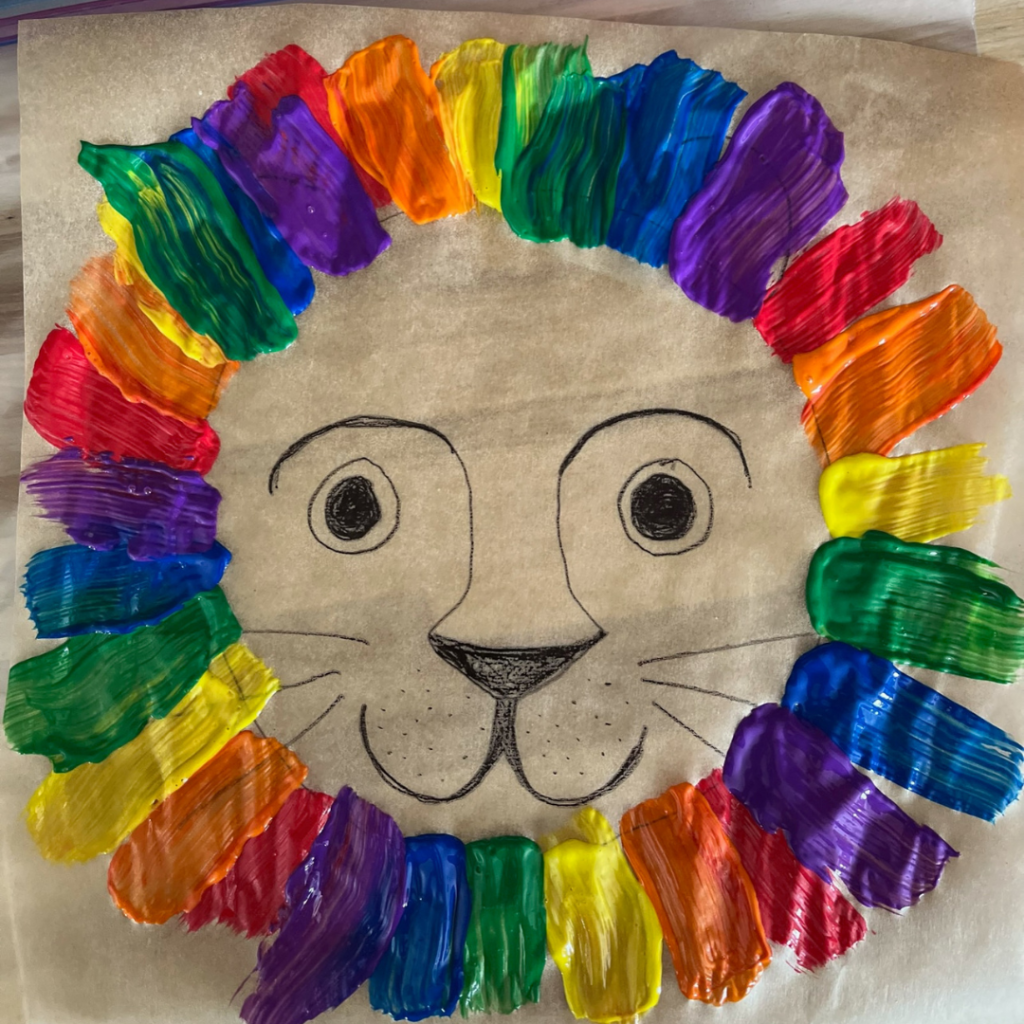
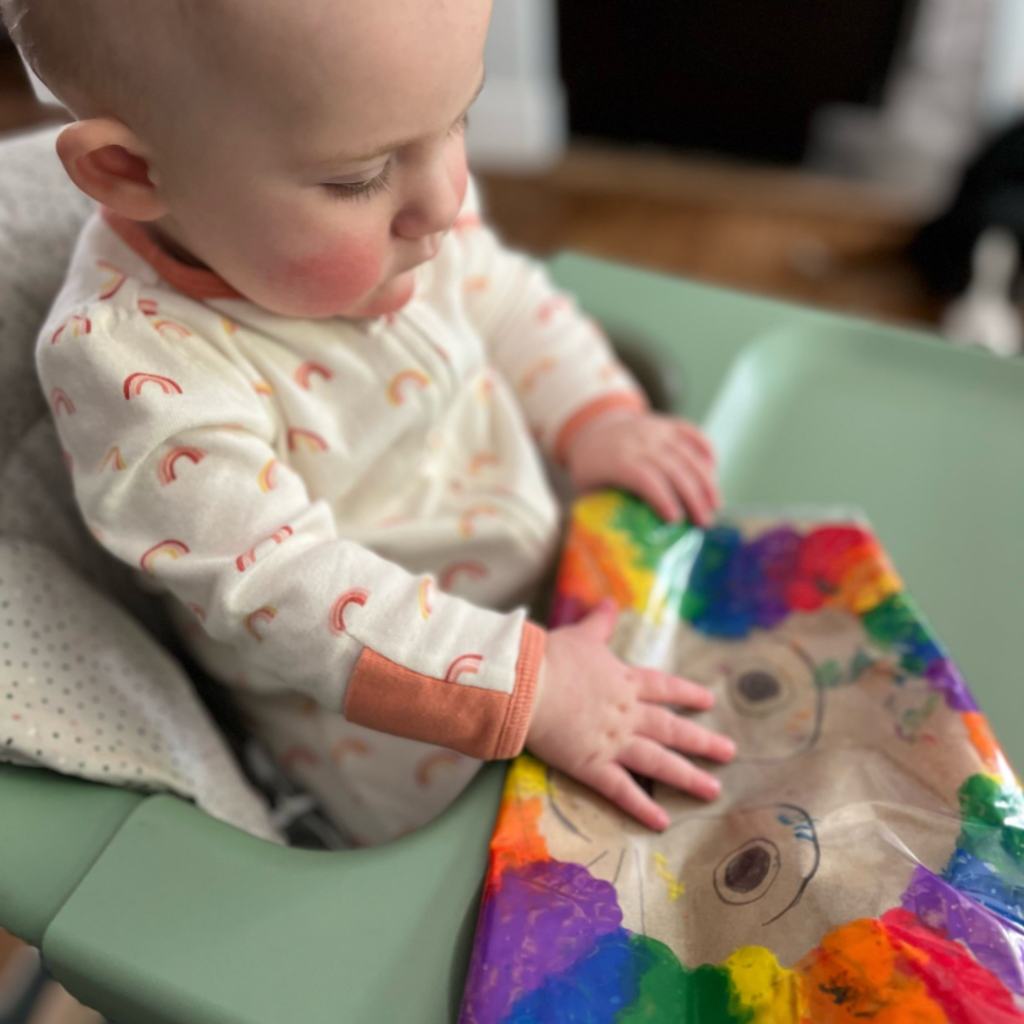
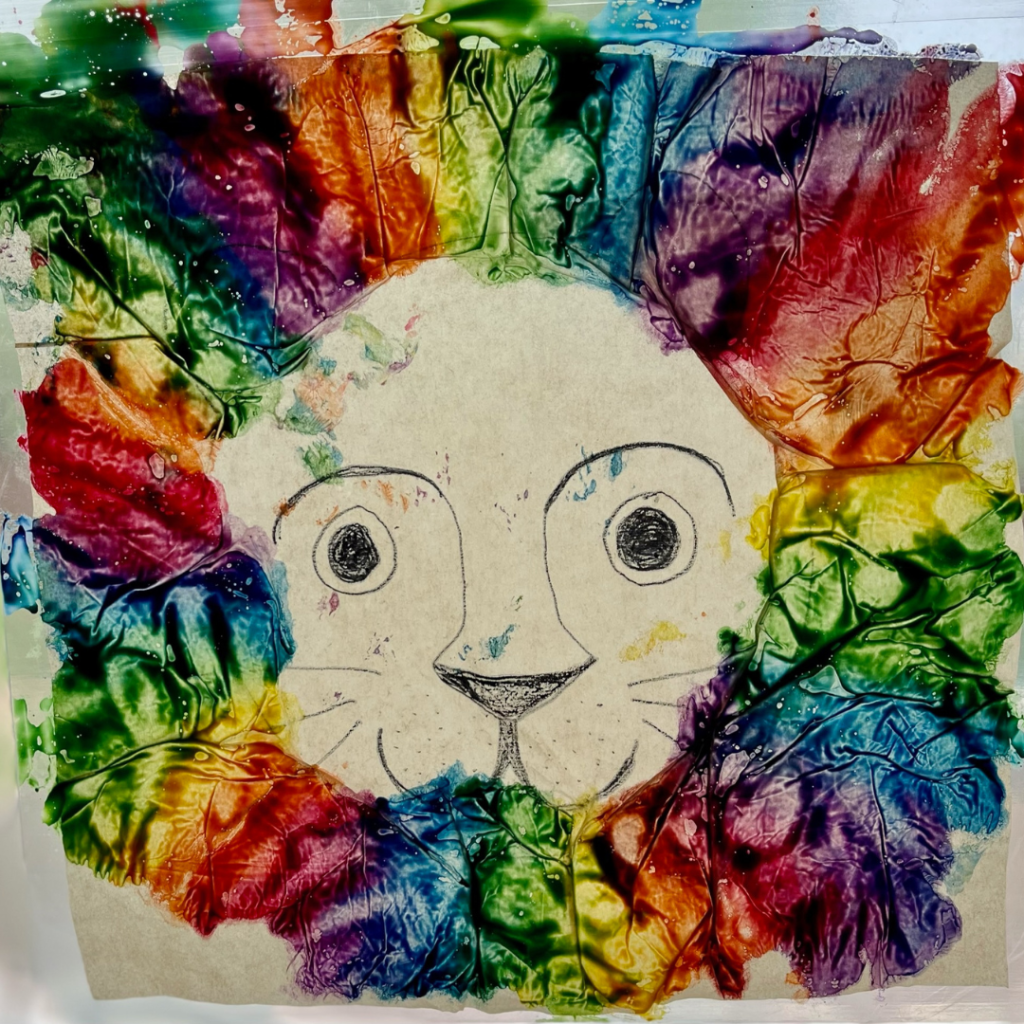
Need some activity inspiration? Try this No-Mess Sensory Play Activity.
This painting activity allows toddlers to create without the mess or worry of trying to eat the
paint!
Here’s what you’ll need:
● Wax paper
● Non-toxic finger paint
● Ziplock bag
● Sharpie
● Scissors
Here’s how to play:
For more ideas of how to teach kids about kindness, compassion and curiosity, follow Curious B.E.I.N.G.s on Facebook and Instagram and subscribe to the Curious B.E.I.N.G.s newsletter.
